I was invited as a keynote speaker for CIVI/CON in Wuppertal. The conference connects players in local municipalities and municipal companies to discuss digital challenges related to security, open source and AI.
 |  |
Coming from an ASF open source background that is largely driven by the private sector, the challenges were surprisingly similar - but also different in many important details. Coming from an FSFE background with a love for the children’s book “Ada und Zangemann” and as a supporter of the “public money, public code” campaign, many of the talks felt a bit too good to be true: There are people out there outside of the classic free and open source software bubble that support the arguments that have driven the digital ecosystem for more than two decades - carrying them over to the public sector.
The entire review including slides and recordings will be available online soon. Some of the highlights from my point of view:
- The initial session by Dirk Schrödter (Digitalisierungsminister und Chef der Staatskanzlei des Landes Schleswig-Holstein) available on YouTube details the motivations for moving towards open source solutions in Schleswig-Holstein and explains the current status and the planned roadmap. It’s great to hear on stage how digital sovereignty means being able to move independently and autonomously - but does not mean, moving alone, excluding others. He mentioned knowledge as a driver for growth and open source as a way to foster knowledge exchange.
- Just a tiny highlight from Christina Decker’s talk from the perspective of the German BMDS: The D-Stack, an ecosystem of technologies underpinning digital public administration in Germany is understood as an ecosystem that evolves over time and needs regular updates. While the need for continuous maintenance is obvious from a tech perspective, it implies continuous investment in the technological foundation - something that is lacking too often.
- The talk by Michael Littger from cyberintelligence.institute provided a great overview of both - the potential of AI - but also the risk that comes with it. The talk provided a well grounded, down to earth analysis of current risks associated with AI and how to address those. For a brief overview see also his summary online
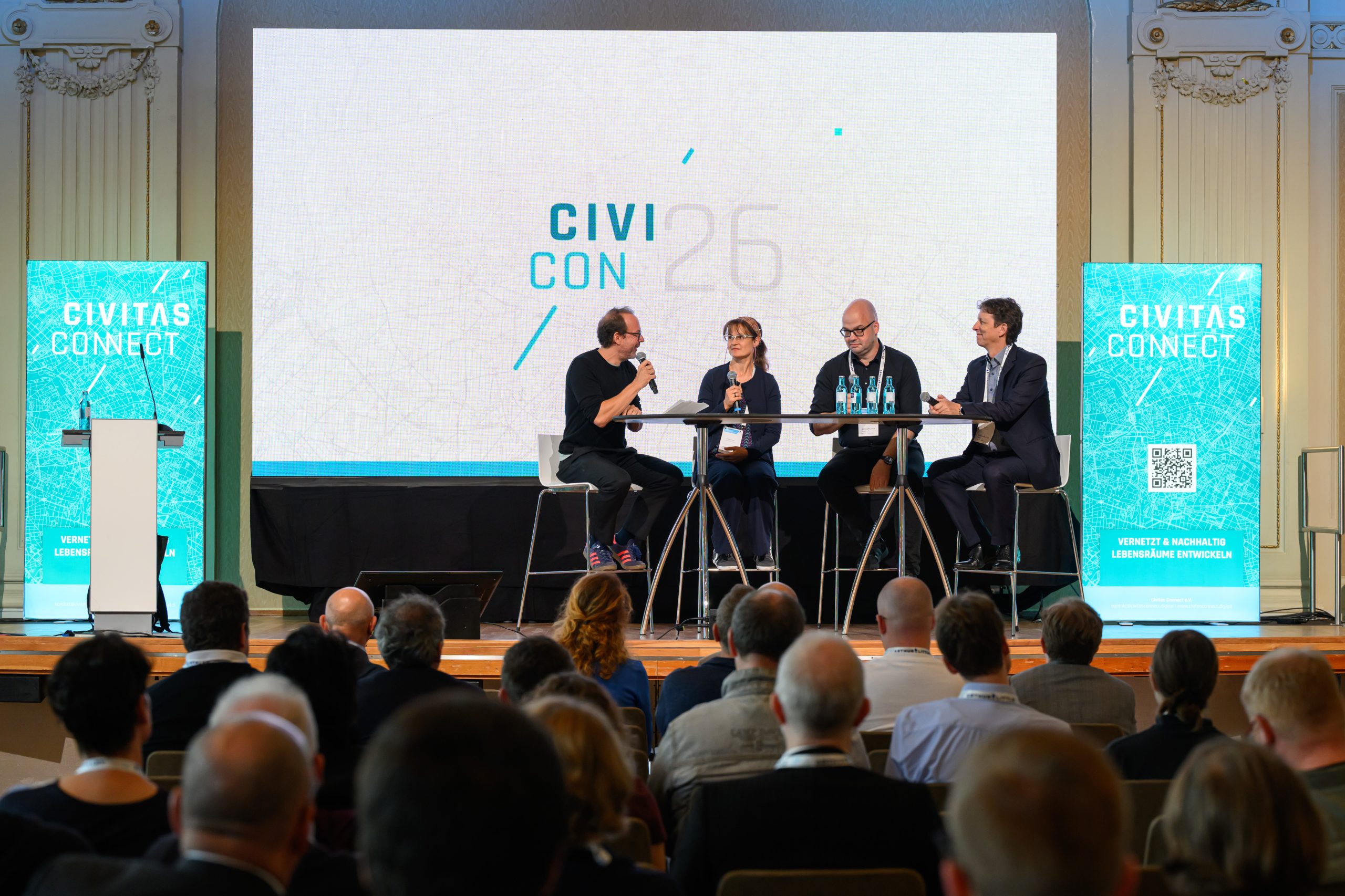
- Finally Markus Beckedahl in his session started with an overview of how far open source already has come in the public sector in the past decades - but also spoke about the challenges ahead of us: In particular understanding software not just as a project - which comes with a final end date after which it’s finished, but as an evolving system that need continuous maintenance. This topic of sustainability and the creation of a viable ecosystem also was one of the topics that the following panel discussion moderated by Markus Beckedahl dealt with.
People active as engineers in open source projects sometimes shy away from anything that smells just remotely like politics - missing the point that any human interaction involves some level of politics. People active in the private industry sometimes shy away from the public administration - missing the point that public admin is a large part of our life - and sometimes missing the point that bureaucracy is the very hurdle that is supposed to ensure everyone goes through the same processes which ensure the very equality that we all rely on when dealing with the public sector.
As such I suppose open source projects operate under slightly different conditions than your wildly successful, global, hyperscaler backed project. However at the end of the day, differences aren’t that huge: Sustainability is still a core requirement - how do we build projects that outlive their creators? With that goes onboarding, handover - and keeping expertise within the project. With that also goes selecting vendors not only by lowest price but taking expertise into consideration as well: Open source with its open development processes provides some pretty obvious clues for that - giving employees time to invest in the open source project in question, that should be a strong indicator that you did invest in building expertise in house.
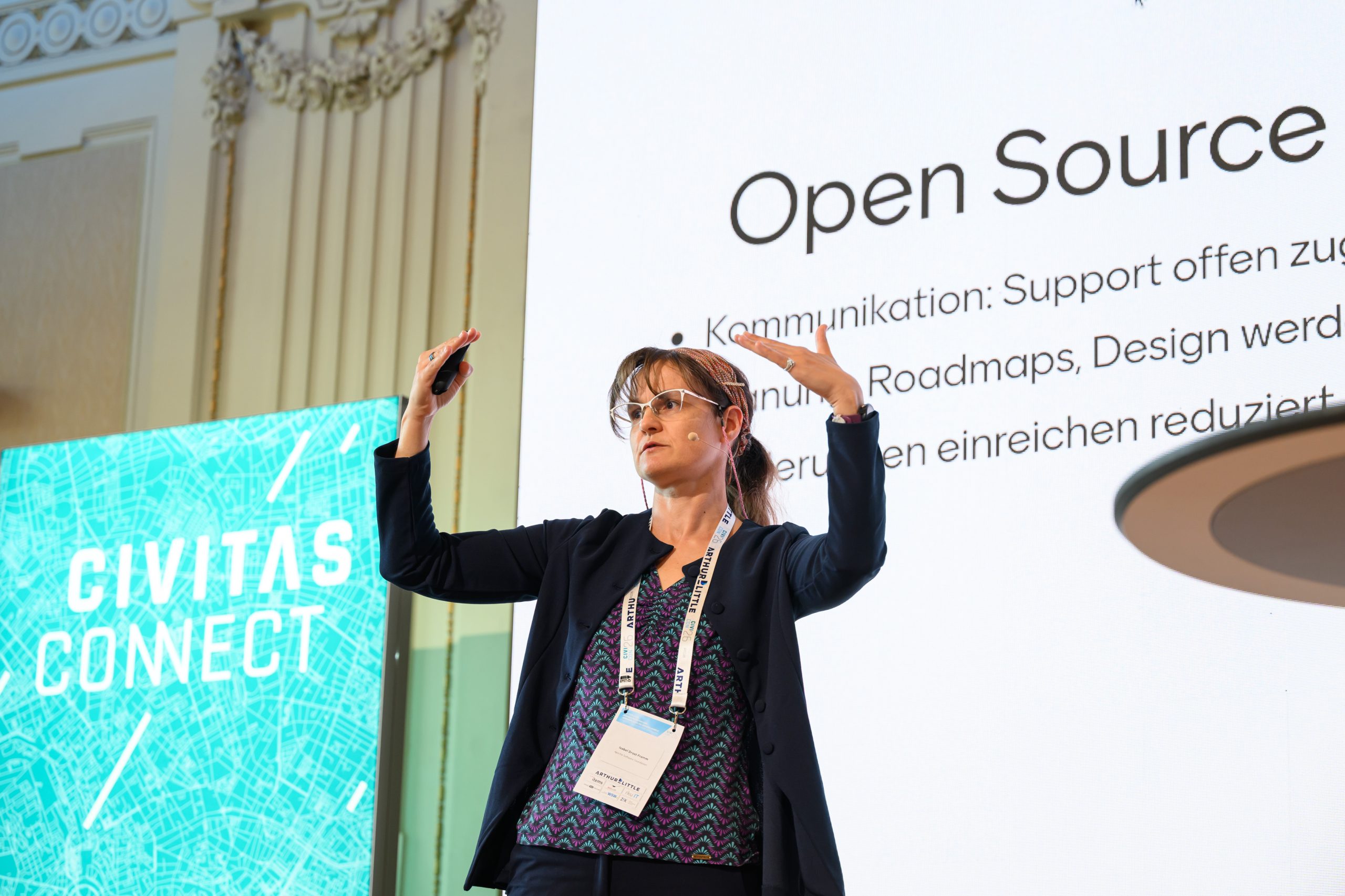
Thank you for the invitation to Civitas Connect e.V. for the invitation. Thank you to the audience who helped turn my keynote on the three pillars of open source into an interactive presentation by providing your input to the challenges posed! Thank you to Markus Beckedahl for the panel moderation - and for asking me questions that my brain continued thinking about the following days after the event. Some of those thoughts made it into a blog post a day later
PS: For anyone interested in the three pillars of open source - and interested in what the audience saw as the major blockers for upstream participation: Check out my three pillars of open source slides including the audience answers.